A rushed or incomplete initial assessment can lead to a poorly tailored laser treatment plan. Failing to properly evaluate skin type, pigmentation, and underlying conditions may result in ineffective treatments or adverse reactions. A comprehensive consultation is crucial for determining the appropriate laser parameters and setting realistic expectations.
Using excessively high laser energy or inappropriate settings can damage the skin. This can lead to burns, scarring, or unwanted pigmentary changes. A gradual and cautious approach, starting with lower settings and carefully monitoring the skin's response, is often safer and more effective in the long run.
Insufficient post-treatment care can compromise results and increase the risk of complications. Patients must adhere to strict sun protection measures and follow a gentle skincare routine. Failure to do so can result in prolonged redness, hyperpigmentation, or delayed healing, negating the benefits of the laser treatment.
Laser hair removal isn't one-size-fits-all, especially in a diverse place like Brampton. A busy professional may want quick, sessions that fit their schedule. Someone struggling with hormonal hair growth needs a plan that addresses the causes, not just the symptoms. Athletes often look for smooth skin to improve performance, focusing on larger areas and preventing ingrown hairs.
People seek laser hair removal for many reasons. Some are tired of shaving and waxing. Others have skin that gets irritated by other hair removal methods. Many just want the ease of long-term hair reduction. That's where client-focused treatment helps.
It involves tailoring the laser settings and methods to your skin type, hair color, and goals. Have sensitive skin? We'll use a lower energy setting and cooling methods to reduce discomfort and prevent irritation. Want to target a specific area, like the beard line? When you are looking into Laser hair removal Brampton is a popular choice for long-lasting results.. We'll use a precision applicator to get those details right. We also manage expectations early on. Laser hair removal is helpful, but it often takes sessions to see results. We'll create a treatment plan with you and adjust it to ensure you're happy.
Do generic laser settings work? No. Everyone is different. A cookie-cutter approach to laser hair removal does not work. It can be ineffective. It can also cause burns, hyperpigmentation, or irritation. That is no fun.
You must understand skin type and hair traits. Is the skin light or dark? How coarse is the hair? What color is it? These things matter. Someone with darker skin needs a different laser setting than someone with fair skin. This avoids pigment damage. In Brampton, we see many skin tones and hair types. Customization matters.
It is not just about safety. It is about the best results. If the laser is not set for your needs, you might not see the hair reduction you want. A skin analysis and a treatment plan are key. We address specific needs and expectations. This is especially true for clients who may have sensitive skin or hormonal factors that affect hair growth.
The Fitzpatrick scale matters. It helps us know how different skin tones react to laser treatments. Darker skin has more melanin, which absorbs more laser energy. This raises the risk of hyperpigmentation, where skin darkens, or hypopigmentation, where it lightens. Choosing the right laser and adjusting its settings is key to reduce these risks and safely treat all skin types.
Picking the right laser is important. For darker skin, lasers with longer wavelengths, like Nd:YAG, often work best because they bypass the surface melanin and target the hair follicle more directly. Alexandrite lasers, with shorter wavelengths, work better for lighter skin tones. Proper laser choice lowers the chances of bad reactions and makes hair removal safer and more effective.
Even with the right laser, settings still matter. Lower energy levels and longer pulse durations usually work best for darker skin to reduce heat absorption in the epidermis. Test spots are important to see how skin reacts before treating larger areas. Monitoring and adjustments during the procedure help prevent unwanted pigment changes.
Brampton's diverse population needs a nuanced approach to laser hair removal. Each client has unique skin and goals. Knowing these individual needs and tailoring treatment plans matters. A one-size-fits-all approach won't work. Personalized consultations and custom treatment protocols are key for good results and happy clients.
Taking care of sensitive skin needs extra care. Clients with sensitive skin get irritation, redness, and swelling more easily. Cooling methods, like chilled handpieces or cooling gels, can soothe skin during treatment. Patch tests are especially important for these people to spot possible bad reactions before full treatments, which makes for a comfortable experience.
When we talk about laser hair removal, especially for someone in Brampton with a busy schedule or hormonal issues, understanding the hair growth cycle is important. It's not a one-time deal. Here is why.
Hair density, color, and thickness matter when setting the laser. Dark, thick hair responds best because the laser targets the pigment. Finer, lighter hair is trickier and might need more sessions or a different laser. For those with hormonal issues causing excess hair, like some women, it's more important to tailor the treatment. Hormones can boost hair growth, so we must be precise and consider maintenance sessions later to manage it. We also need to think about clients who might scar easily.
Hair grows in cycles: anagen (growth), catagen (transition), and telogen (resting). The laser works best during the anagen phase, when the hair grows and connects to the follicle. That's why you need multiple sessions, spaced over time, to treat as many hairs as possible in that growth phase.

Hormone problems can affect hair growth, especially in women. For example, PCOS can cause too much hair in unwanted areas. Laser hair removal can manage that hair. But it might not be a lasting solution if hormones are still unbalanced.
The laser targets the hair follicle. If your body still makes excess hormones that trigger hair growth, those follicles might reactivate later. It's like mowing a lawn while someone plants seeds.
It’s important to find the cause, not just treat the symptoms. If you think you have a hormone issue, talk to a specialist or your family doctor. They can test you and suggest ways to create balance. Options include medicine, lifestyle changes, or other treatments.
Laser hair removal is one piece of the puzzle. It can be helpful. But for some, it works best with treatment for any hormone problems. Getting those hormones under control can improve your laser treatment results and save money.
Let's discuss preparing for laser and caring for your skin afterward. This is key, especially in places with extreme weather.
Before your laser session, avoid the sun. No tanning or sunbathing. Wear sunscreen when outside. Sunburned skin and lasers don't mix. This can cause burns and pigmentation issues. Also, stop using strong products like exfoliants or retinoids a few days before. Your skin should be calm.
After treatment, be gentle and soothing. Sunscreen is essential. Use SPF 30 or higher daily. Laser makes your skin sun-sensitive, and you don't want to reverse progress. Moisturize often. Use something fragrance-free and hypoallergenic to keep your skin hydrated. Avoid hot showers, saunas, and anything that could irritate the treated area for a day or two. A cold compress helps with redness or swelling. Treat your skin gently. If you have concerns, call us.
Choosing a good clinic matters. You trust someone with your skin. So, you want certified and experienced laser technicians.
What happens if you don’t? Inexperienced people can cause side effects, like burns, scars, and ineffective treatments. No one wants that. It’s not just a waste of money. It can hurt your skin.
How do you find the right people? Ask about certifications. A qualified technician will have proof of training. Also, experience counts. How long have they done laser hair removal? How many clients have they treated?
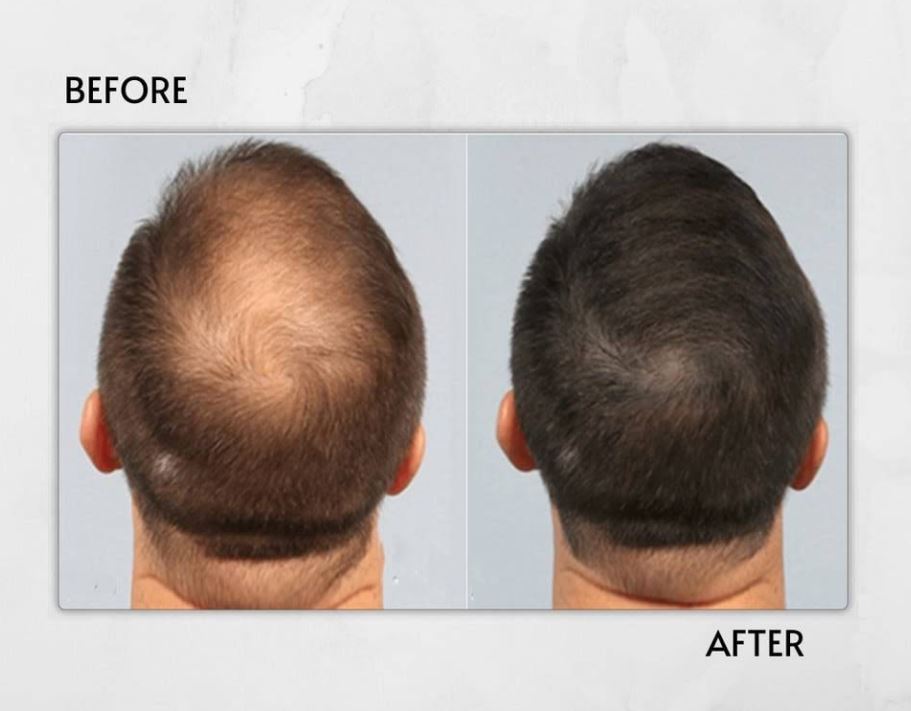
Ask for before-and-after photos. A good clinic will have examples. Trust your instincts. If something feels wrong, or they can’t answer you, leave. Your skin will appreciate it. Check online reviews, too. See what other clients say. Do your homework to get the safest treatment.
It's important to be upfront with clients about what laser hair removal can do. Many people think it's a one-time deal, and they'll never see another hair. That’s not true.
Laser hair removal usually results in hair reduction, not total hair elimination. Make sure your clients understand this from the start. Explain that they'll likely see less hair growth, but some hairs might still appear.
Also, be clear about maintenance sessions. Laser hair removal isn't a one-time thing for most people. You'll need touch-up appointments to keep the hair away. Factors like hormones can trigger new hair growth, even after the first treatments.
Think of it this way: laser hair removal can remove many hairs, but you still need to remove the occasional stray. Be honest about the chance of regrowth and the need for maintenance. This way, clients can make informed choices and won't be disappointed later. Set real expectations and build trust.
When it comes to laser hair removal, especially if you have sensitive skin or specific goals, it's tempting to jump at the lowest price. Here's the thing: cheaper isn't always better; sometimes, it can even be risky.
Laser treatments use powerful technology. If the equipment isn't good or the person using it isn't properly trained, you might not get the results you want. You could end up with skin irritation, burns, or other problems. It's not worth the risk, especially when you're dealing with your skin.
Instead of focusing on the price, consider the long-term value. Paying for quality treatments with experienced people can save you money and headaches. At our clinic, we put your safety and satisfaction first. We use advanced tech and tailor our treatments to your needs, whether you're an athlete looking for smoother skin or someone with hormonal hair growth. We take the time to understand your goals and adjust the treatment settings. This approach ensures results and lowers the risk of side effects. It’s about doing it right the first time, so you can enjoy the confidence that comes with smooth, healthy skin.
When we discuss making laser treatments truly personalized, we don't just zap hair and hope for the best. Instead, we put you, the client, at the center of the process.
First, we start with a thorough consultation. We need to understand your aesthetic goals. What are you hoping to achieve? Then, we do a skin and hair analysis. We look at skin type, hair thickness, and hair color. This helps us determine the safest and most effective laser settings for you.
Customized settings are key. What works for one person won't work for another. We adjust the laser's intensity and pulse duration based on your traits.
It's also important to have realistic expectations. Laser hair removal is effective, but it's not magic. We'll explain what you can expect in terms of hair reduction and how many sessions you'll need.
Finally, proper aftercare is crucial. We'll give you instructions on how to care for your skin after each treatment to reduce potential side effects and get the best results. We want to make sure you're comfortable and confident. We are expert-led and client-focused.
Personalized laser hair removal means your treatment plan fits you. It's not just about removing hair; it's about doing it safely and in a way that lasts. Everyone's skin and goals differ. Some want all hair gone, while others want less. Some have sensitive skin, which needs extra care.
That's why initial consultations matter. You can discuss what you want, and the technician can check your skin type, hair color, and hair thickness. This helps them set the right laser settings and techniques. If they skip this step, you could get skin irritation, burns, or treatments that don't work.
Ask questions! You should feel good about your treatment plan. Ask about the laser type, the technician's background, and what to expect during and after. Discuss any worries about pain or side effects.
The aim is to give you results and reduce risks. When laser hair removal fits your needs, you're more likely to get the smooth skin you want.
Ready? Book a consultation and let's talk about your hair removal goals.